Start a Faceless Car Channel Without Owning a Single Supercar
Cars never stop being searched. Here is how to start a faceless car channel with AI, which formats need no footage, a four-week posting plan and how to keep specs accurate.

Stefano Ventrudo
CTO at Faceless Lab
How to start a faceless car channel with AI, which video formats work without any footage, a four-week posting plan and the accuracy and brand rules that keep a car channel safe.
Can you run a car channel without showing your face, filming a car or using a single clip from a manufacturer? Yes, and it is one of the easier faceless niches to start. Cars are one of those subjects people never stop searching for. They compare models, argue about engines, ask what a warning light means and watch "how it works" explainers for fun. We run faceless channels ourselves, and this is how we would build a faceless car channel with AI doing the script, voiceover, visuals, music and captions.
Executive Summary
A faceless car channel publishes short videos about cars, such as engineering explainers, car history stories, buying tips, maintenance basics, "versus" comparisons and top lists, narrated over original AI visuals with no presenter and no manufacturer footage. The topic has steady search demand all year, so you do not depend on a single event. The safe way to run it is to write your own scripts, verify every spec against an official source and avoid brand logos and press photos. Faceless Lab handles the script, voiceover, visuals, music and captions, and schedules the finished videos to your connected platforms.
Table of Contents
- Why cars work as a faceless niche
- Faceless car video formats that need no footage
- How to make a faceless car video inside Faceless Lab
- A four-week posting plan for a new car channel
- Keep your car videos accurate and brand safe
- Where Faceless Lab fits and where it does not
- What to do once your car channel finds its feet
1. Why cars work as a faceless niche
Most niches need you to pick a side between being useful and being entertaining. Cars let you do both in the same video. Someone who has never opened a hood will happily watch a ninety-second explanation of how a turbocharger works, and someone who owns three cars will watch it too.
Why car topics suit faceless videos:
- The subject is visual even when you are not on camera. Engines, gearboxes, suspension and aerodynamics are easy to show with clean AI illustrations and diagrams, so you do not need footage.
- There is always a question to answer. People search for the difference between hybrid and plug-in hybrid, what a service interval means, or why a classic model became a legend. A clear voice answers that without a presenter.
- The topic never expires. Car history and engineering facts stay accurate for years, so a video you publish today can keep finding viewers months from now.
- Many sub-niches sit inside one. Classic cars, electric vehicles, motorsport history, budget buying and maintenance all attract different audiences, so you can pick a small corner and own it.
The honest catch is that car content is crowded and some viewers are very knowledgeable. A single wrong spec gets corrected in the comments within minutes. You win by choosing a narrow angle, checking your facts and posting steadily.
2. Faceless car video formats that need no footage
You do not need to film a car to make a good car video. These are the formats we would put in a first batch.
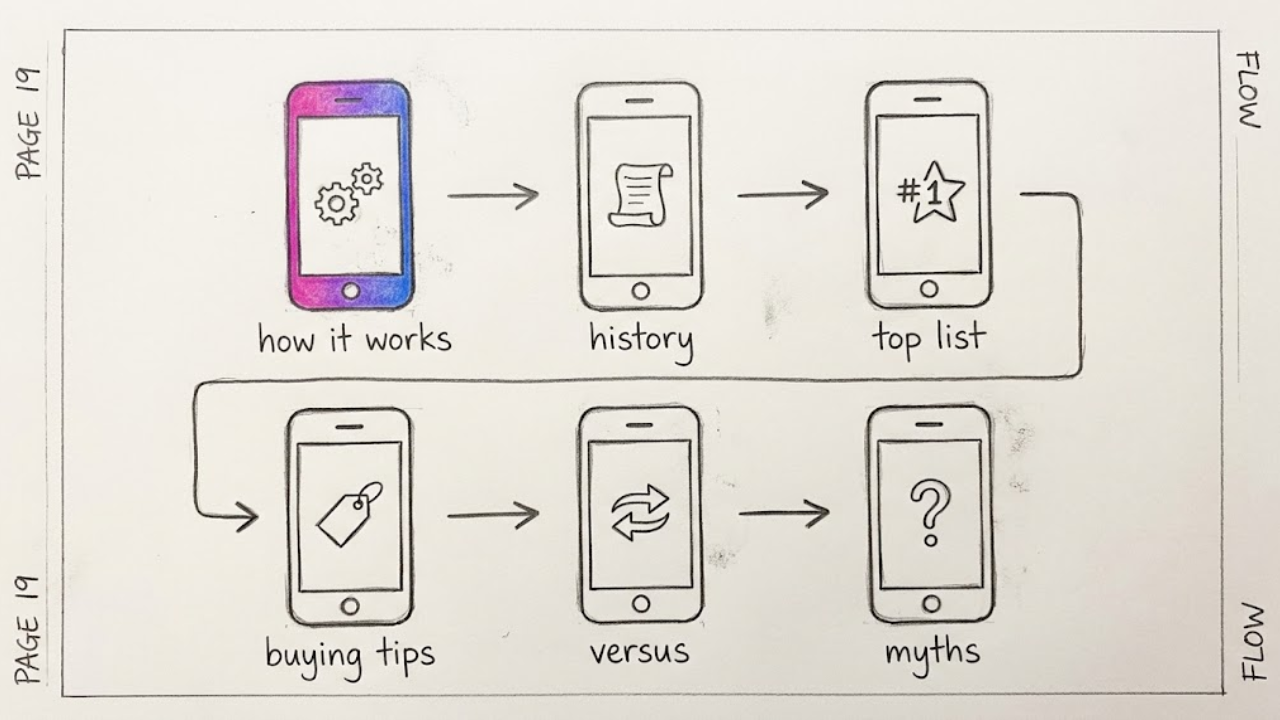
How it works explainers
One mechanism per video, such as how a turbo, a differential or regenerative braking works. Clean illustrated visuals carry these well, and they make people save the video.
Car history and "story behind the car" videos
The origin of a famous model, a failed experiment or a company that nearly disappeared. These work best told like a short story with a clear beginning and a twist.
Top lists
"Five reliable used cars under a set budget" or "four engines that lasted for decades". Lists keep people watching to the end because viewers want to see the number one pick.
Buying and ownership tips
What to check before buying a used car, how to read a warning light, what a basic service covers. This is practical content people search for at the exact moment they need it.
Versus videos
Two models, two engines or two ideas side by side. Keep them factual and say which numbers you used and where you found them.
Myth busters
"Does premium fuel really help every car?" Myths get comments because viewers like to defend what they believe.
Each of these maps onto a video shape from our structures guide, usually the explainer, the list or the question format.
3. How to make a faceless car video inside Faceless Lab
This is the workflow we use for an explainer or a list, from the first idea to a file that is ready to schedule.
- Start from a topic or a script. Type the idea, for example "how a turbocharger works in under a minute", or paste a script you wrote. If you want control, edit the generated script before anything else is built.
- Pick a structure. Faceless Lab has 8 video structures. The explainer fits mechanisms and history, the list fits top picks and buying tips, and the question format fits myths.
- Choose a voice. There are 200+ ElevenLabs voices. A calm, confident voice usually suits technical explainers, and a warmer one suits ownership tips.
- Set the visual style. Pick from 39 styles, and use the multi-model setup through Replicate to match the look to the topic. A clean technical-diagram look suits engineering, and a cinematic look suits car history.
- Let it assemble. The app builds the voiceover, visuals, background music and captions into a finished video, usually in two to five minutes. You can choose 9:16 for Shorts and Reels, 16:9 or 1:1.
- Review and fix. Read the captions, check every number against an official source, swap any visual that shows a recognizable logo and send the video to your schedule.
You choose the idea, the angle and the tone. The production work is what goes away.
💡 Ready to try it with your first idea? Create a free account and make your first car video.
4. A four-week posting plan for a new car channel
A new channel needs a rhythm more than a perfect first video. This plan gives you four weeks of material from a single batch.
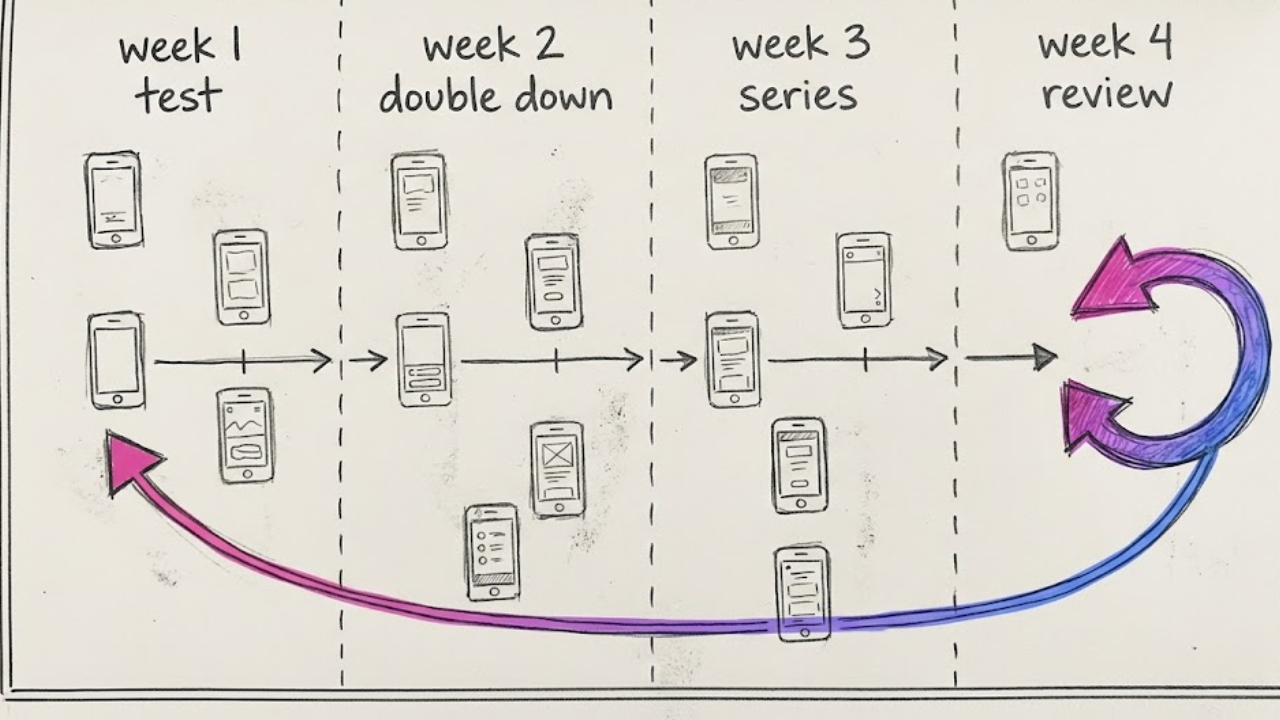
- Week 1: build and test. Make eight to ten videos in one sitting, mixing two explainers, two lists, two history stories and a myth. Post two or three and watch which format holds attention.
- Week 2: double down on what held. Post more of the best format and add one buying tip video, because practical content tends to be searched for.
- Week 3: add a series. Turn your best performer into a recurring show, such as "one engine explained every Tuesday". Repeating a format makes the channel easy to recognize.
- Week 4: review and plan the next batch. Check retention, saves and comments, drop what did not work and write the next ten ideas.
The easiest way to keep this alive is batching. Write all your ideas in one sitting, generate the videos in one afternoon and schedule them across the weeks. Faceless Lab publishes to your connected platforms on schedule, so the plan runs while you do other things.
5. Keep your car videos accurate and brand safe
Car viewers notice details, so this section matters more here than in most niches. We are not lawyers, and this is general guidance rather than legal advice.
Verify every number. Horsepower, torque, model years and prices differ by market and change between model years. Check them on the manufacturer's own site and write down where you found them.
Avoid logos and press photos. Manufacturer logos, badges and official photos belong to the brands. Original AI visuals and diagrams keep the video yours. If a generated image shows a recognizable badge, regenerate it.
Do not pose as a brand. Make it clear that your channel is independent. Do not use a manufacturer name in your channel name or imply a partnership.
Describe opinions as opinions. "The best first car" is a view, so say it is yours. Keep claims about reliability and safety tied to a named source.
Stay careful with safety advice. Maintenance tips should point people to the owner's manual or a qualified mechanic for anything that affects safety.
Add your own contribution. Platforms have their own originality and AI labeling rules. Your research, your angle and your commentary are what make each video clearly yours.
6. Where Faceless Lab fits and where it does not
We would rather you start with clear expectations.
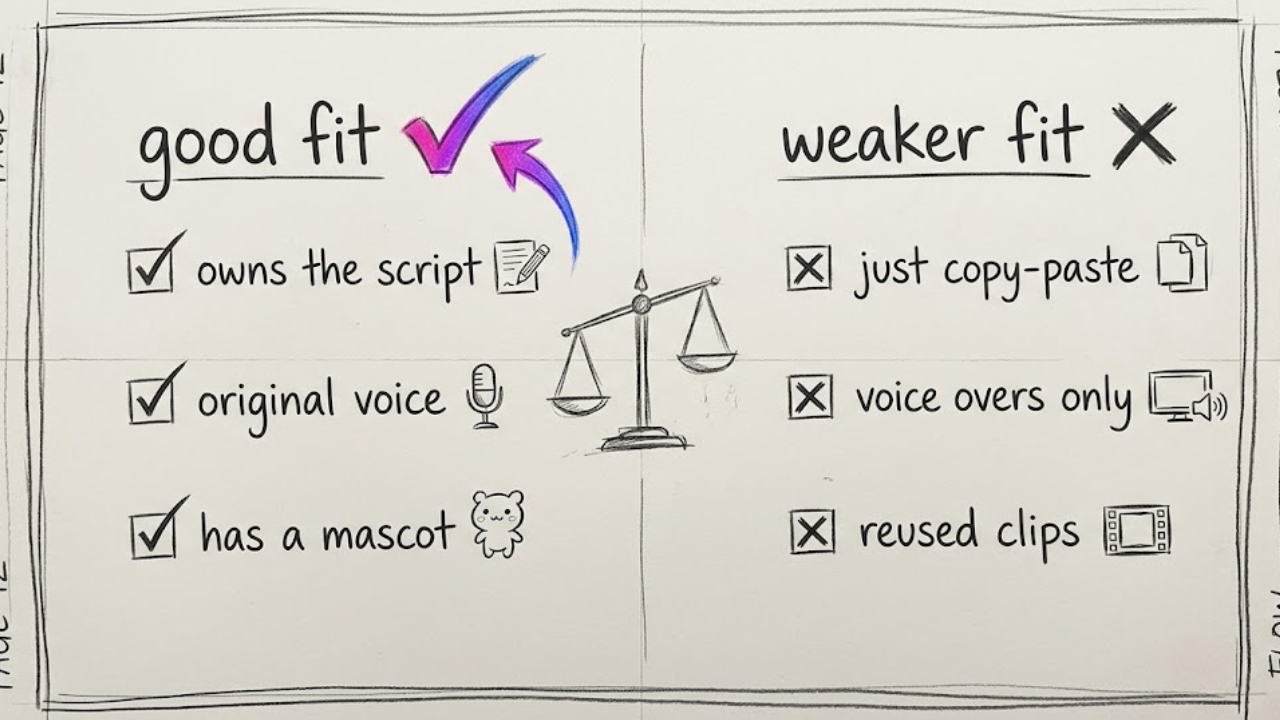
Faceless Lab is a good fit when:
- You want a batch of car videos live within a couple of weeks and do not want to edit each one by hand.
- You enjoy researching topics and writing angles more than dragging clips on a timeline.
- You want to schedule weeks of posts in advance and let them go out on their own.
It is the wrong fit when:
- You want to show real cars, test drives or footage from a track. We do not offer that, and a faceless car channel is a different thing from a driving channel.
- You expect the app to verify specs for you. It builds the video, and accuracy remains your job.
- You need guaranteed views. A good idea and steady posting help, and nothing replaces testing and consistency.
On platforms, one honest note: TikTok is excluded from fully automatic auto-publish and needs your explicit consent, so plan a quick manual step there. You can try everything on the free trial at €0 first, and the paid monthly plans are Starter at €19, Growth at €59 and Pro at €149.
7. What to do once your car channel finds its feet
After a few weeks you will see which kind of video your audience prefers. That is the signal to focus.
- Narrow the channel. If electric car explainers outperform everything else, make that the channel instead of spreading across every topic.
- Turn winners into a series. The Series feature keeps the look, voice and structure consistent across episodes, so a weekly "engine explained" show becomes something people wait for.
- Try Autopilot. It is still in beta and pushes the process further toward hands-off, so review its output before you rely on it.
- Reach more viewers. Publish the same video on every connected platform, and consider other languages once one format works.
- Test a product angle. Once you have an audience, car accessories and tools can fit naturally into buying-tip videos.
A faceless car channel rewards a narrow angle, accurate facts and steady posting, and Faceless Lab covers the production so you can focus on those. Pick one topic from this guide, make the first video this week and see how your audience responds. If a video does well, repost it on your other platforms and share the app with a friend who is stuck on editing. And if you like Faceless Lab, our affiliate program is an easy way to earn while you share it.
Try Faceless Lab free and make your first car video today.
Read more
Frequently asked questions
What is a faceless car channel?
A faceless car channel publishes short videos about cars with a narrator voice and original visuals instead of a presenter on camera. Typical topics include how engines and systems work, car history stories, buying tips, maintenance basics, comparisons and top lists. The channel never needs footage of real cars. With a tool like Faceless Lab you write or generate the script, pick a voice and a visual style, and get a finished video with music and captions in a few minutes.
Can I make car videos without filming a car?
Yes. Explainers, history stories, top lists, myth busters and buying tips all work with original AI visuals, diagrams and a voiceover. You do not need test drives or track footage. What you do need is accurate information, so check every spec against the manufacturer's own site. If you want to show real cars in motion, that is a different kind of channel, and Faceless Lab does not offer real footage.
What kind of car videos get the most views?
It depends on your audience, so test before you commit. Explainers on how a part works, top lists and practical buying or maintenance tips are good first formats because they answer questions people actually search for. Make a first batch of eight to ten videos with a mix of formats, post a few and compare retention, saves and comments. Then focus on the format that holds attention best.
Can I use car brand logos or manufacturer photos in my videos?
We recommend against it. Logos, badges and official photos belong to the brands, and using them can lead to copyright or trademark problems. Original AI visuals and diagrams keep your video yours, and you should regenerate any image that shows a recognizable badge. Keep your channel clearly independent and avoid using a manufacturer name in the channel name. This is general guidance and not legal advice, so check each platform's rules.
How do I make a car explainer video with AI?
Type your idea or paste a script into Faceless Lab, for example "how regenerative braking works in under a minute". Pick a structure such as the explainer, choose a voice from 200+ ElevenLabs voices and set one of 39 visual styles. The app builds the voiceover, visuals, music and captions into a finished video, usually in two to five minutes. Then read the captions, verify each number, swap any visual with a logo and schedule it.
Can I schedule car videos automatically?
Yes. Faceless Lab can schedule and publish finished videos to your connected platforms, so a batch made in one afternoon can go live over several weeks. One exception applies: TikTok is excluded from fully automatic auto-publish and needs your explicit consent, so plan a short manual step there. Series keeps the look and structure consistent across episodes, and Autopilot, which is still in beta, goes further toward hands-off, so review its output first.
Related articles
Turn Study and Productivity Tips Into Faceless Shorts People Save for Later
Exam season and New Year planning send people searching for study and productivity tips. Learn how to pick a promise, write useful shorts and schedule a faceless productivity channel without filming.
Dog and Cat Tips Make a Faceless Channel That Owners Come Back To
Pet owners search for tips every day, and each answer fits one short. Learn how to pick an audience, write safe tips, and publish a faceless dog and cat channel without ever filming.
Faceless What If Videos Are the Easiest Way to Turn Curiosity Into Views
Curiosity sells, and you never have to show your face. Here is how to make faceless what if videos with AI, which formats hold attention, and how to turn one idea into a daily series.