Start a Faceless Psychology Channel That Turns Everyday Behavior Into Daily Shorts
Psychology is one of the most watchable faceless niches going. Here is how to pick a sub-angle, script hooks that hold attention, and post human-behavior shorts every day without showing your face.
Roberto Pasqualini
CMO at Faceless Lab
A practical guide to building a faceless psychology channel that turns everyday human behavior into short videos people watch, save, and come back for.
Can you build a faceless psychology channel without ever showing your face or putting a degree on screen? Yes, and it is one of the smarter short-form niches you can start right now. Psychology content works because it explains the thing everyone is quietly curious about, which is why people do what they do. A faceless psychology channel leans into that curiosity with a calm voice, clean visuals, and a script that pays off in under a minute. You bring the idea. The rest can be built for you.
Executive Summary: A faceless psychology channel takes small, relatable truths about human behavior and turns them into short videos that hold attention and earn saves. The niche fits faceless video perfectly because the value lives in the idea and the voiceover, not in a presenter on camera. To start, pick one sub-angle you can post about for months (body language, social dynamics, habits, cognitive biases, or self-understanding), write hooks that name a feeling the viewer recognizes in the first three seconds, and keep each video to one clear takeaway. With Faceless Lab you turn a topic into a full short with script, voiceover, visuals, captions and music, then schedule and auto-publish across platforms so the channel keeps posting while you plan the next batch. Free trial is €0, paid plans run €19, €59 and €149 per month.
Table of Contents
- Why psychology is one of the best faceless niches right now
- The psychology video formats people actually watch
- Pick a sub-angle you can own
- How to make a faceless psychology video inside Faceless Lab
- Write hooks and scripts that fit psychology content
- Where a faceless psychology channel is and isn't the right fit
- Turn it into a channel that posts every day
1. Why psychology is one of the best faceless niches right now
Psychology sits in a rare spot. It is broad enough that you never run out of ideas, and specific enough that a single 40 second clip can teach something a viewer will repeat to a friend the same day. That combination is exactly what short-form platforms reward.
The value is in the idea, not the face. When someone watches a clip explaining why we remember unfinished tasks better than finished ones, they are not there for a presenter. They are there for the insight. That is why the niche works so well without a camera. A steady voice and a visual that matches the point carry the whole video.
Retention comes built in. Good psychology hooks name a feeling before they explain it. "You keep checking your phone even when nothing is there. Here is what your brain is doing." A viewer who recognizes themselves in the first line tends to stay for the answer, and watch time is the single biggest signal you can send a recommendation algorithm.
Saves and shares stack up. People save psychology clips to rewatch and send them to the one friend the video reminds them of. Those signals tell platforms the content has lasting value, which pushes reach beyond your subscriber count.
2. The psychology video formats people actually watch
You do not need a new concept every day. You need a handful of repeatable formats and a running list of topics to pour into them. These are the ones that consistently hold attention in this niche.
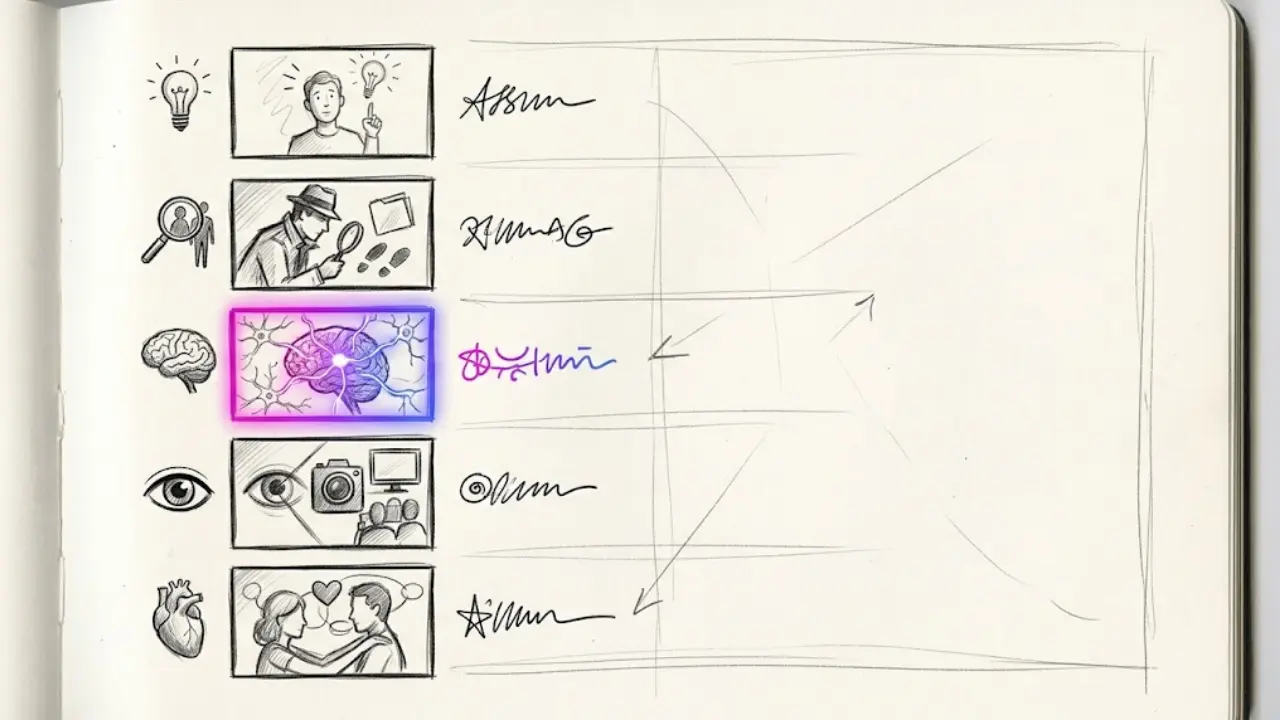
- The single insight. One idea, explained plainly, with a real example. "Why you feel more awake right before bed." Clean and easy to batch.
- The behavior decode. Take a common thing people do and explain the mechanism behind it. "Why you rehearse arguments in the shower."
- The bias in one minute. Cognitive biases are a goldmine because there are dozens of them and each is a self-contained video. Anchoring, the spotlight effect, loss aversion, and so on.
- The body language read. Explain one signal and what it tends to mean. These do well because viewers immediately test them against people they know.
- The gentle reframe. Take a feeling people struggle with and offer a calmer way to see it. These earn the most saves because they feel personal.
Keep every video to one takeaway. The temptation is to cram three ideas into forty seconds. Resist it. One clear point per video means a cleaner hook, a sharper script, and a viewer who leaves with something they can actually remember.
3. Pick a sub-angle you can own
"Psychology" as a whole is too wide to build an identity around. The channels that grow pick a lane and stay in it long enough for the algorithm and the audience to understand what they are about.
Choose one of these to start:
- Everyday psychology. Small, relatable truths about daily life. The widest reach and the easiest to script.
- Social and relationships. Why people behave the way they do around others. Strong shares because it is always about someone the viewer knows.
- Self-understanding. Habits, motivation, procrastination, focus. Attracts a loyal audience that saves and returns.
- Dark and curious. Persuasion, influence, and the quirks of the mind. High curiosity, but keep it honest and avoid manipulative framing.
- Study and productivity psychology. How the brain learns and remembers. A younger, highly engaged audience.
Why the lane matters. A consistent sub-angle gives your channel one visual style, one voice, and one promise. It also makes your next fifty topics obvious instead of a daily scramble. You can always widen later, once people know what they follow you for.
4. How to make a faceless psychology video inside Faceless Lab
Here is the part that turns a plan into a channel. Once you know your angle and your format, a single video takes minutes instead of an afternoon. This is the flow inside Faceless Lab.
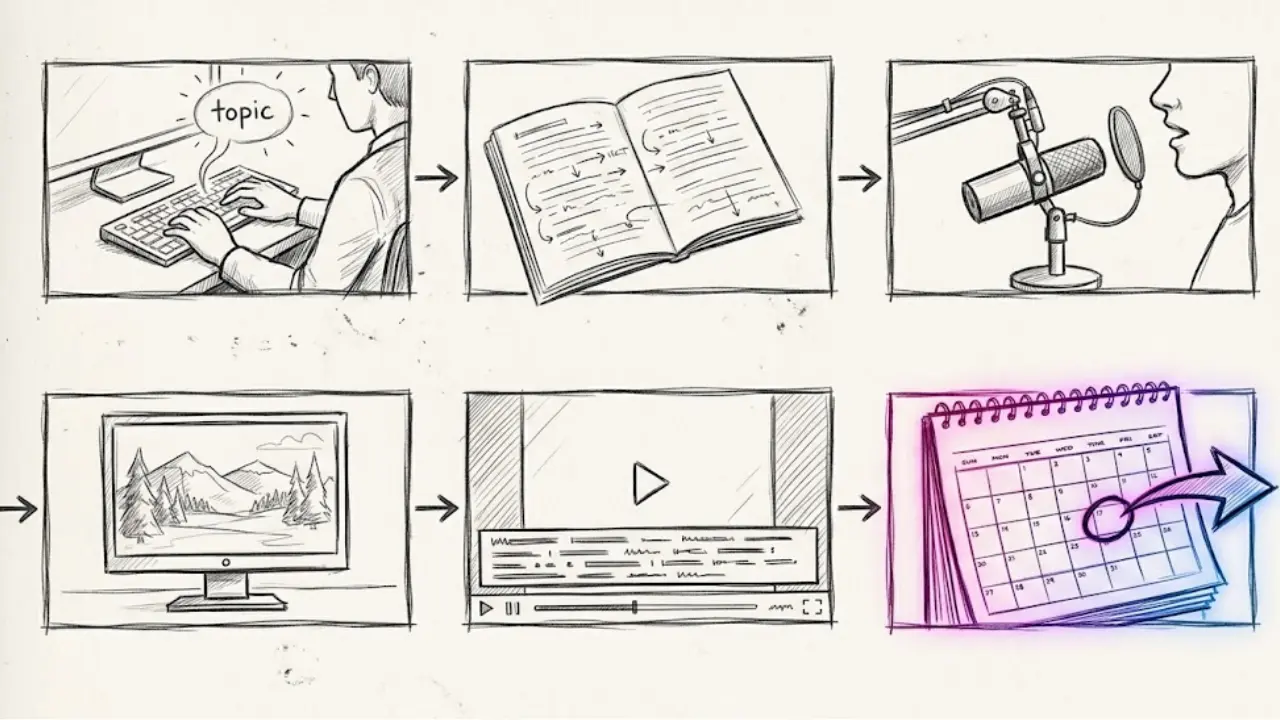
- Start from your topic. Type your idea, for example "why we remember unfinished tasks better than finished ones." Faceless Lab generates a full script with scenes built for short-form pacing. Edit any line you want to sharpen.
- Pick a structure. Choose from the built-in structures so your hook, build and payoff land in the right order. For psychology, a hook that names the feeling followed by a clear explanation works almost every time.
- Choose a voice. There are over 200 ElevenLabs voices. For this niche, a calm, warm, unhurried voice fits the content and keeps people listening. Pick one and keep it consistent so your channel sounds like one person.
- Set the visual style. Faceless Lab offers 39 styles powered by multiple models through Replicate. Choose one that suits a thoughtful, clean look and stay with it. One style across every video is what makes a feed look like a real channel.
- Add captions and music. Captions are generated automatically and matched to the voiceover, and a fitting background track is added. Both are adjustable before you export.
- Generate, then schedule. Faceless Lab assembles the script, voice, visuals, captions and music into a finished short in the right aspect ratio. From there you can schedule and auto-publish to YouTube, Instagram, Facebook and LinkedIn. TikTok stays a manual confirm step, since it needs your explicit consent for each post rather than fully hands-off publishing.
💡 Ready to build your first one? Create a free account and make a video and see the full flow end to end.
5. Write hooks and scripts that fit psychology content
The script is where a psychology channel is won or lost. The good news is that this niche has a reliable shape you can reuse.
Open with recognition. The strongest hooks describe a behavior the viewer has done, before they explain it. "You reread the same text message five times before sending it." The viewer thinks "that is me" and stays for the reason.
Deliver one mechanism. The middle of the video answers the hook with a single, plain explanation. Skip the jargon. If you would not say it to a friend at dinner, cut it.
Land a small payoff. End with something the viewer keeps, a reframe or a tiny bit of advice. This is what earns the save and the follow.
A few rules that keep it clean:
- Keep it to one idea. If you have two, you have two videos.
- Say sources plainly when a claim leans on research, and avoid stating shaky pop-psychology as hard fact.
- Write for the ear. Short sentences. Natural rhythm. Read it out loud once before you generate.
Faceless Lab drafts the script for you, so your real job is editing for voice and accuracy. That is faster than writing from a blank page, and it keeps every video sounding like your channel.
6. Where a faceless psychology channel is and isn't the right fit
I would rather you start with clear eyes than quit in a month because the niche was not what you expected.

It is a strong fit if you enjoy explaining ideas, you can commit to posting consistently for a few months before judging results, and you like the idea of a channel that runs on a system rather than on your face and your mood. The topics are close to endless, the production is light, and the audience is genuinely curious.
It is a weaker fit if you want to become an on-camera personality, or you are hoping for one viral clip to carry the whole channel. Psychology grows on steady value and trust, not on a single lucky post. It is also not the place for clinical or diagnostic claims. Keep the content curious and general, and never present it as therapy or medical advice.
Where Faceless Lab helps and where it does not. Faceless Lab removes the production grind, the script draft, the voiceover, the visuals, the captions, the scheduling. It does not pick your angle or guarantee a hit. You still own the taste, the topics and the consistency. The tool gives you back the hours so you can spend them on the part only you can do.
7. Turn it into a channel that posts every day
A single good video is a nice afternoon. A channel is a habit. The way faceless creators keep up is by separating the thinking from the posting.
Batch your ideas first. Sit down once and write thirty topics in your sub-angle. This is the hard part, and doing it in one session is far easier than inventing a topic every morning.
Produce in a batch, publish on a drip. Turn ten topics into ten videos in one sitting, then let them go out one per day. Your feed looks active and consistent even on the days you do nothing.
Let the schedule run. With scheduling and auto-publish, you set the times once and Faceless Lab posts for you across your connected platforms. Autopilot, currently in beta, takes this further by keeping a channel fed on a rhythm with less manual work each week.
Judge results monthly, not daily. Short-form is noisy day to day. Look at which topics earned saves and watch time over a month, make more of those, and quietly retire the ones that did not land.
Psychology is one of those rare niches where the ideas never run dry and the production stays light. Pick your angle, write your first thirty topics, and let the system carry the posting. The channel that wins is the one that is still posting in three months, and that is exactly the part a faceless workflow is built to protect.
If you want the fastest way to get your first psychology short live, start free and make one today: https://facelesslab.video/
Read more
Frequently asked questions
Is a faceless psychology channel actually allowed to make money?
Yes. Faceless channels monetize the same way any channel does, through platform ad revenue, affiliate links, sponsorships and your own products. What matters to platforms is original, valuable content, not whether your face is on screen. For a psychology channel, the safest path is to keep your videos genuinely useful and original, write your own scripts rather than reading someone else's, and add a real point of view. That originality is what keeps a channel monetizable as platforms tighten their rules on low-effort, mass-produced content.
Do I need a psychology degree to run this kind of channel?
No. You are not offering therapy or diagnoses, you are explaining general, well-known ideas about human behavior in a clear and honest way. The key is to stay in that lane. Share widely accepted concepts, cite research plainly when a claim leans on it, and avoid presenting content as clinical advice or a substitute for professional help. Treat it like good science communication. Curious, accurate and humble about what is still uncertain. That approach builds trust and keeps you clear of claims you are not qualified to make.
What should my first videos be about?
Start with everyday psychology, the small relatable truths people recognize instantly. Cognitive biases are the easiest place to begin because there are dozens of them and each is a self-contained video, from anchoring to the spotlight effect to loss aversion. Common behaviors work too, like why we rehearse arguments in the shower or reread messages before sending. Write thirty topics in one sitting before you film anything, so you are producing from a list instead of inventing a new idea under pressure every day.
How long should a faceless psychology video be?
Aim for a length that lets you land one idea cleanly, usually somewhere between 30 and 60 seconds for short-form. The 50 to 60 second range tends to hold attention well when the content earns it, because it gives you room for a hook, a clear explanation and a small payoff without padding. The real rule is one takeaway per video. If a topic needs more time, it is probably two videos. Keep the pacing tight and cut any line that does not move the idea forward.
How does Faceless Lab help with a psychology channel specifically?
You type a topic and Faceless Lab generates a full script built for short-form pacing, which you can edit for voice and accuracy. You choose a calm voice from over 200 options, pick one visual style from 39 and keep it consistent, and the tool adds captions matched to the voiceover plus fitting background music. Then it assembles everything into a finished short and lets you schedule and auto-publish to YouTube, Instagram, Facebook and LinkedIn. That turns the production grind into minutes so you can spend your time choosing topics and writing better hooks.
How often should I post to grow this kind of channel?
Consistency matters more than volume. A realistic and effective rhythm is one short per day, or a few strong ones per week if daily is too much at the start. The workable method is to batch. Produce ten videos in one sitting, then let them publish one per day on a schedule so the feed stays active even when you are not working. Judge your results monthly rather than daily, since short-form is noisy in the short run. Double down on the topics that earned saves and watch time, and quietly drop the ones that did not.
Related articles
True Crime Is Made for Faceless Video. Here Is How to Do It Right
True crime is one of the most watchable faceless niches, and it does not need your face or voice. Here is how to make faceless true crime videos that hold attention and stay monetizable.
Faceless YouTube Automation, the Honest Way to Run a Channel on a System
Faceless YouTube automation is a production system, not passive income. Here is what it really takes to run a channel that keeps posting, and how we do it.
Build a Faceless Book Summary Channel Without Reading on Camera
Start a faceless book summary channel with AI. Pick the right books, script summaries that hold attention, publish on a daily rhythm, and turn quiet reading into a channel that grows.