Turn One Idea Into a Faceless Video Series That Runs on Autopilot
One clear idea can become a whole faceless video series. Here is how to lock a format, batch your topics, and let each episode publish on autopilot while you plan the next one.

Stefano Ventrudo
CTO at Faceless Lab
How to plan one repeatable format, batch your topics, and let each episode script, voice, edit and publish itself.
Can you build a faceless video series that keeps posting for a month without you touching it every day? That is the real question behind almost every message we get. Most creators do not quit because they run out of ideas. They quit because a single short takes three or four hours, and doing that daily turns into a job nobody signed up for. A faceless video series fixes the part that actually breaks people. You turn one clear idea into a repeatable format, and that format keeps producing episodes while you focus on the next topic instead of rebuilding a video from zero every morning.
Executive Summary. A faceless video series is one repeatable format, meaning the same hook style, the same structure and the same look, that you plan once and then produce on a schedule instead of inventing every video from scratch. The fastest way to run one is to lock the format, batch a list of topics, and let a tool generate the script, voiceover, visuals, captions and music for each episode, then publish on a fixed rhythm. Inside Faceless Lab you pick one of 8 structures and 39 visual styles, choose a voice from more than 200 ElevenLabs options, and use Series plus Autopilot (currently in beta) to keep episodes shipping to YouTube, Instagram, Facebook and LinkedIn automatically. TikTok stays manual by design because it needs your explicit consent to post. You can start on the free trial at €0 and move to Starter (€19), Growth (€59) or Pro (€149) when your output grows.
Table of Contents
- What a faceless video series actually is
- Pick a series format that can run for months
- Turn one idea into many episodes
- How to build a faceless video series inside Faceless Lab
- Put publishing on autopilot and where TikTok is different
- Where a faceless series works, and where it doesn't
- A simple 30-day series plan you can copy
1. What a faceless video series actually is
A series is one format you repeat. Instead of asking "what do I post today," you answer that question once and then change only the topic each time. Think of a cooking channel that always runs "3 ingredients, 1 recipe," or a money channel that always runs "one mistake that costs you 30 seconds of attention." The wrapper stays fixed and only the filling changes.
Three things stay constant across a real series:
- A fixed hook pattern. The first line always does the same job, like "Nobody tells you this about X" or "Here is why your X keeps failing." You reuse the shape, not the words.
- A fixed structure. Same beats every episode, so your audience knows what they are getting and your production stops being a decision.
- A fixed look and voice. Same visual style, same voice, same caption style. That repetition is what makes a stranger recognise your channel on the third scroll.
Why one-offs stall. When every video is a fresh creative project, you pay the full setup cost every single time. You re-decide the hook, the pacing, the style, the voice. A series pays that cost once. After that, each new episode is mostly a topic swap, which is the difference between posting for a week and posting for a year.
2. Pick a series format that can run for months
The best series format is one you could still film on day 90 without hating it. Before you touch any tool, choose a format that has an almost endless supply of topics.
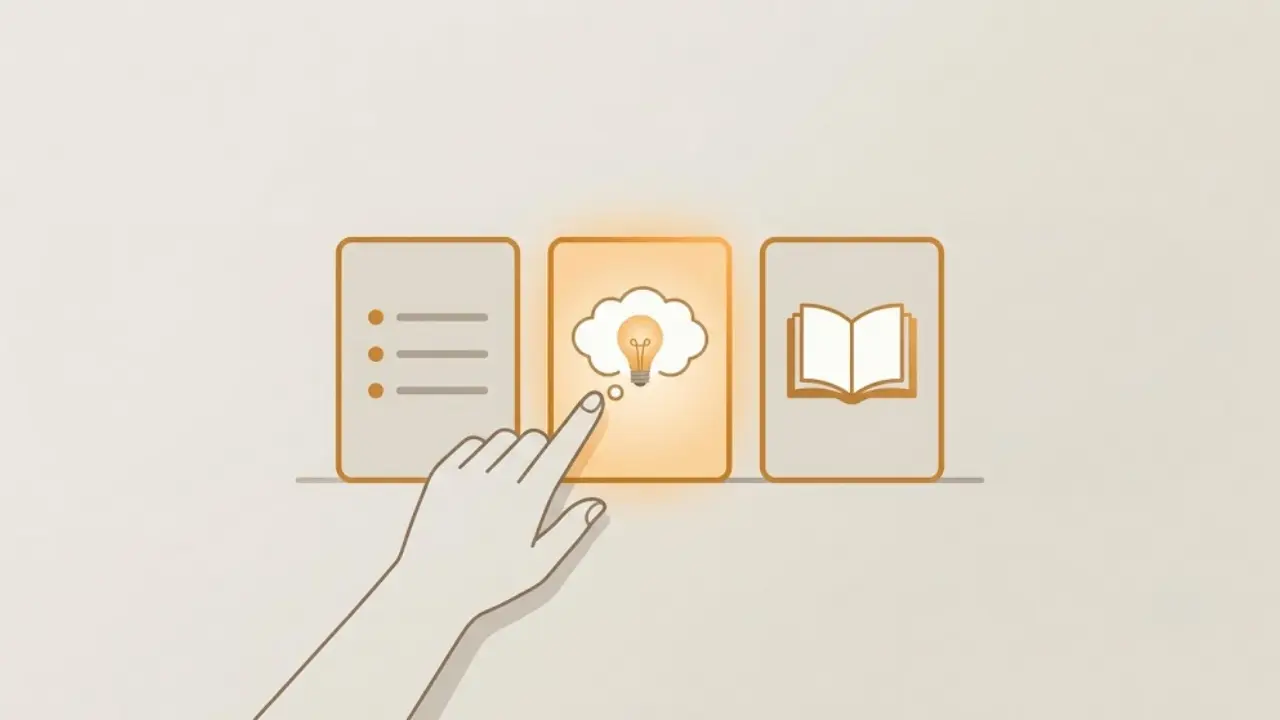
Formats that rarely run dry:
- List or ranking. "Top 5 X," "3 X you are doing wrong." Every niche has an infinite list backlog.
- One tip per video. A single idea, explained in under 45 seconds. Easy to batch, easy to script.
- Story or case. A short story with a lesson, common in Reddit-style and motivation channels.
- Myth versus fact. Take a belief people hold and correct it. Strong for finance, health and tech.
- This or that. A quick comparison that ends with a clear pick.
Match the format to a structure. Faceless Lab ships with 8 built-in structures, so you are not designing the skeleton yourself. A list format maps cleanly to a countdown structure, a tip format maps to a hook-explain-payoff structure, and a story format maps to a narrative structure. Pick the structure once and it applies to every episode in the series.
Pressure test the topic supply. Before committing, write 20 topic ideas in five minutes. If you get stuck at eight, the format is too narrow for a series. If you fill the list and keep going, you have a format that can carry you for months.
💡 Not sure which niche has room to grow? Read 9 faceless video niches that still work before you lock your format.
3. Turn one idea into many episodes
Once the format is set, the work becomes topic generation, and that is much cheaper than making videos.
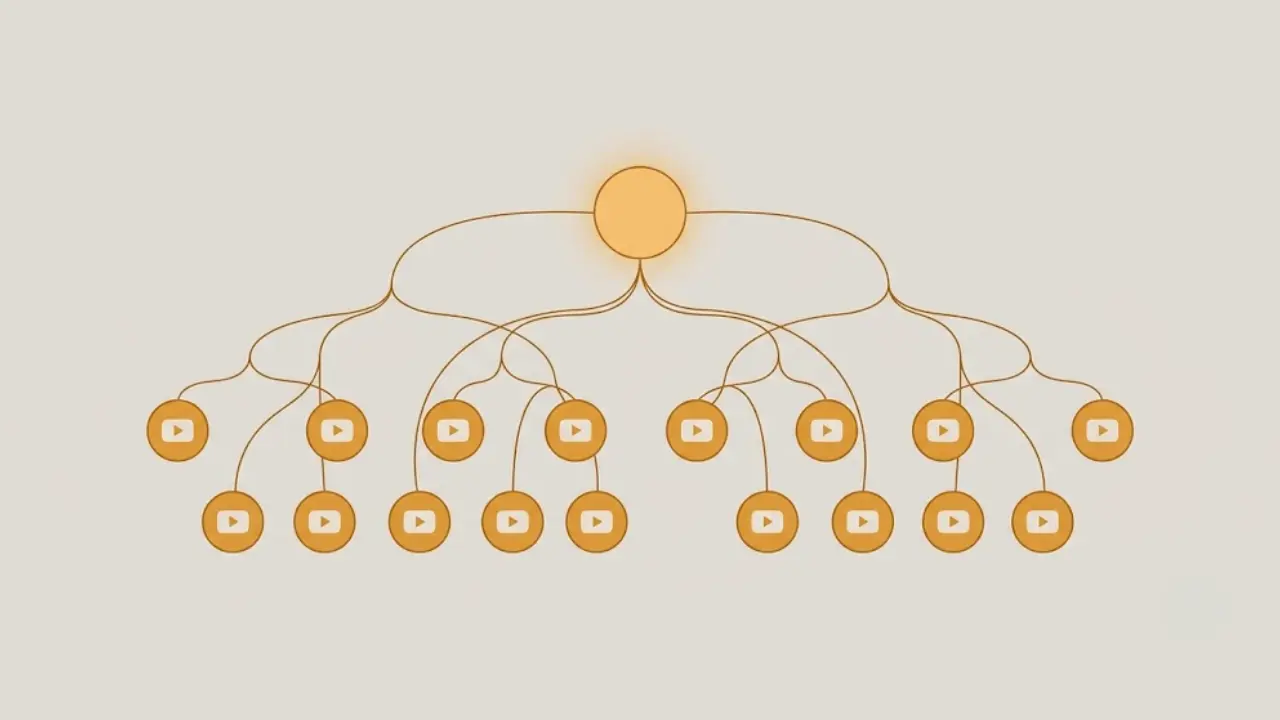
Split one idea into a topic tree. Take your core idea and break it into branches. A "personal finance for beginners" idea splits into budgeting, saving, debt, investing basics and common scams. Each branch holds ten or more single-video topics. One afternoon of listing gives you a month of episodes.
Write the pattern, not 30 scripts. You are not writing thirty separate scripts by hand. You define the pattern once, the hook shape, the length, the tone, and let the script generation fill each topic into that shape. Your job shifts from writing to editing, which is far faster.
Keep the variables tight. For a series, lock these and leave them alone:
- Length. Pick one target, for example 30 to 45 seconds, and hold it across the series.
- Voice. Choose one voice from the 200-plus ElevenLabs options and keep it. Voice consistency is a big part of channel identity.
- Style. Pick one of the 39 visual styles and stay on it, so the feed looks like a single channel and not a stock library.
Batch, then schedule. Produce a block of episodes in one sitting and let them go out one per day. Batching keeps you in flow, and a steady release keeps the algorithm fed without you posting live every morning.
4. How to build a faceless video series inside Faceless Lab
Here is the exact path from a blank idea to a scheduled series inside the app.
- Create your account and open the dashboard. Start on the free trial, no card needed, so you can build a full series before paying anything.
- Pick your structure. Choose one of the 8 structures that matches your format, for example a countdown for a list series or hook-explain-payoff for a one-tip series.
- Choose your visual style and voice. Select one of the 39 styles and one voice from the 200-plus ElevenLabs library. Lock both for the whole series so every episode looks and sounds like the same channel.
- Drop in your topic list. Paste the topics you brainstormed. Each topic becomes an episode that inherits the same structure, style and voice.
- Generate and review. The app writes the script, records the voiceover, builds the visuals with its multi-model Replicate setup, adds captions and lays in music. Skim each draft, tweak a line or a scene where needed, and approve.
- Turn on Series and Autopilot. Use Series to keep the format consistent across episodes, then enable Autopilot (beta) to let new episodes generate and queue on the rhythm you set.
- Set your schedule and platforms. Choose your cadence and connect the platforms you want. Approved episodes publish automatically to YouTube, Instagram, Facebook and LinkedIn.
That is the whole loop. After the first setup, your daily job is reduced to reviewing drafts and adding topics when the queue runs low.
💡 Ready to build your first series? Create a free account and open the dashboard and set it up while you read.
5. Put publishing on autopilot and where TikTok is different
Consistency is where most channels win or lose, so this step matters more than it looks.
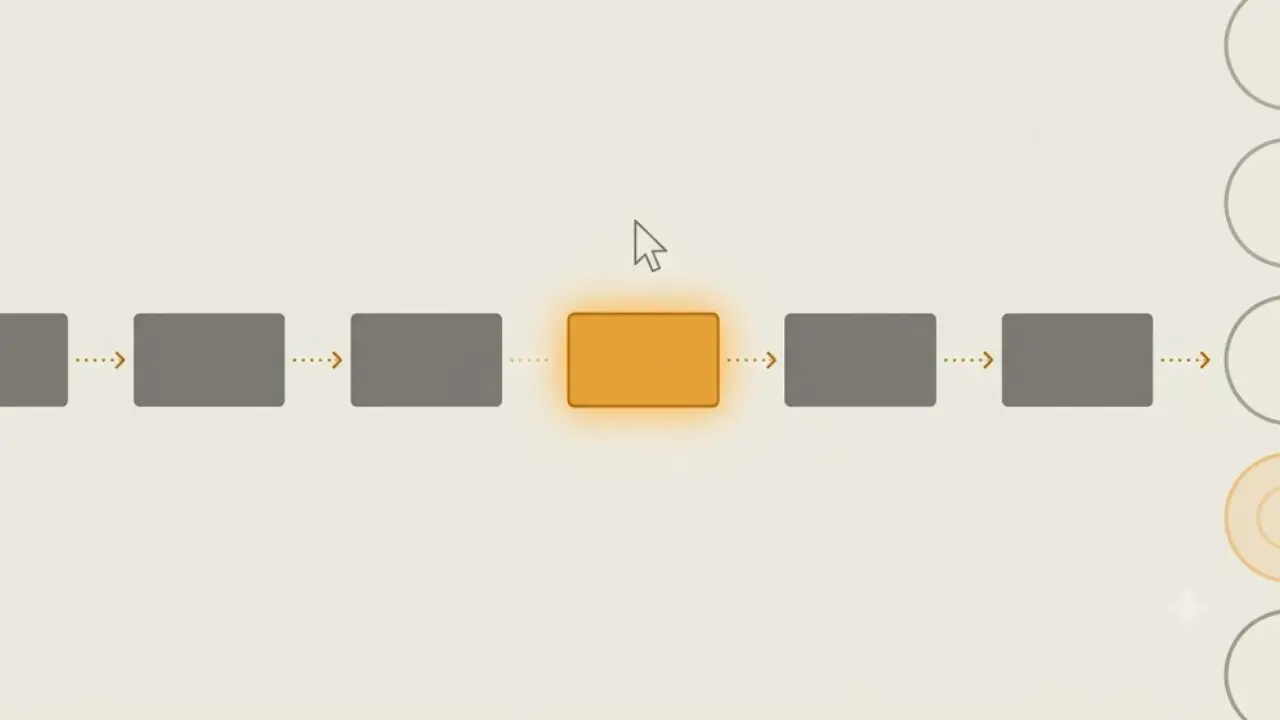
What Autopilot handles. With Autopilot (beta) switched on, Faceless Lab generates and queues episodes on your schedule and publishes the approved ones without you opening the app every day. You set the cadence once and the series keeps moving.
Fully automatic platforms. YouTube, Instagram, Facebook and LinkedIn support hands-off publishing once connected, so a batch of approved episodes can roll out one per day on its own.
Why TikTok is manual. TikTok is deliberately left out of fully automatic auto-publish. It requires your explicit consent to post, so those episodes wait for you to confirm. This is by design, and it keeps you compliant rather than risking your account on silent automation.
A safety habit worth keeping. Even with Autopilot on, glance at the queue a couple of times a week. Automation is there to remove the grind, not to remove your judgement, and a 60-second review keeps a bad draft from going live.
6. Where a faceless series works, and where it doesn't
We would rather you succeed than oversell, so here is the honest read.
A faceless series is a strong fit when:
- You post short-form on a rhythm. Series shine for 15 to 60 second content on Shorts, Reels and similar feeds, which is exactly what the app is built for.
- Your topic supply is deep. Finance tips, history facts, motivation, product education and story formats can run for hundreds of episodes.
- Consistency is your bottleneck. If your ideas are fine but you keep missing days, a series plus Autopilot solves the exact problem.
It is a weaker fit when:
- You need long, heavily researched videos. The app specialises in short-form up to a few minutes, so a 20-minute documentary workflow is not what this is for.
- Your format needs your face or live reactions. Faceless is the whole point here, so on-camera formats sit outside it.
- Your niche demands a brand-new format every time. Some channels thrive on novelty over repetition, and a fixed series works against that.
Being clear about this saves you time. If your channel matches the first list, a series will likely change how consistently you ship. If it matches the second, a different workflow may serve you better, and that is fine.
7. A simple 30-day series plan you can copy
Here is a plan you can run this week.
- Day 1, choose the format. Pick one format from section 2 and confirm you can list 20-plus topics.
- Day 1, lock the variables. One structure, one style, one voice, one length. Write them down so you never re-decide.
- Day 2, batch the topics. Build a topic tree and list 30 episode topics, enough for a full month.
- Day 2, generate the first batch. Produce your first 7 to 10 episodes, review, and approve.
- Day 3, turn on Series and Autopilot. Set a daily cadence and connect YouTube, Instagram, Facebook and LinkedIn.
- Every few days, top up. Add fresh topics when the queue drops and confirm any TikTok posts by hand.
- Day 30, read your data. Look at which episodes held attention longest and let the winners shape next month's topics.
Thirty days of consistent posting is usually enough to see which hooks and topics your audience actually rewards, and that data is worth more than any guess you could make at the start.
The verdict. A faceless video series is the most reliable way we know to post consistently without living inside an editor. Lock one format, batch your topics, and let the app carry the production and the publishing. You can build your entire first series on the free trial and only upgrade once the output is paying you back.
If this helped, repost it to a creator who keeps starting channels and stalling, and if you want to earn while you share, our affiliate program pays you for the people you send our way. Build your first series today and let it run: try Faceless Lab free.
Read more
Frequently asked questions
What is a faceless video series?
A faceless video series is a set of short videos that all share one repeatable format, meaning the same hook style, the same structure and the same visual look, while only the topic changes from one episode to the next. It works without showing your face because the script, voiceover, visuals and captions carry the content. The point is consistency. Once you lock the format, you stop reinventing each video and simply feed in new topics, which is what lets a channel post daily for months instead of fading out after a strong first week.
How many videos should a faceless series have?
There is no fixed number, but a practical target is 30 episodes, which gives you a full month of daily posting from one planning session. Start by brainstorming at least 20 topics in five minutes. If they come easily, your format has enough depth to run for months. Many creators batch 7 to 10 episodes at a time and top up the queue every few days. The goal is a steady supply, so you never face an empty calendar. A series that only holds five ideas is really a one-off in disguise.
Can I automate posting a faceless video series?
Yes. Inside Faceless Lab you can use Autopilot, currently in beta, to generate and queue episodes on the schedule you set and publish the approved ones automatically. YouTube, Instagram, Facebook and LinkedIn support fully hands-off publishing once connected. TikTok is the exception. It needs your explicit consent to post, so those episodes wait for you to confirm rather than going out silently. Even with automation on, it is worth reviewing the queue a couple of times a week so a weak draft never reaches your audience by accident.
How long does it take to make a faceless video series?
The first setup takes the most time because you are choosing your format, structure, style and voice, plus brainstorming topics. That is usually an afternoon. After that, producing each episode drops to minutes because the app writes the script, records the voiceover, builds the visuals, adds captions and lays in music for you. Batching a week of episodes in one sitting is normal. Compared with editing one short manually, which often runs three or four hours, a series turns your ongoing work into quick reviews rather than full production jobs.
Do faceless video series work on TikTok?
Yes, faceless series perform well on TikTok, but the publishing step is different. Faceless Lab deliberately excludes TikTok from fully automatic auto-publish because the platform requires your explicit consent to post. So you still generate TikTok episodes inside your series, but you confirm each post yourself rather than letting Autopilot send them silently. This keeps you compliant and protects your account. In practice, you queue everything as part of the same series and simply approve the TikTok posts by hand, which takes seconds per video.
How much does it cost to run a faceless video series?
You can start for free. Faceless Lab offers a free trial at €0 with no card required, which is enough to build and test a full series. When your output grows, paid plans are Starter at €19, Growth at €59 and Pro at €149, with higher limits as you move up. Because a series produces many episodes from one setup, the cost per finished video drops as you post more. Most creators begin on the free trial, confirm the workflow fits, then upgrade once the channel is producing enough to justify a plan.
Related articles
Faceless Shorts Can Have Thumbnails Now. Make Yours Earn the Click
YouTube just gave Partner Program creators custom thumbnails on Shorts. Here is how faceless creators, with no face to feature, build a frame that earns the click and lifts views.
Make Faceless Quiz Videos That Get People Answering in the Comments
Quiz and trivia shorts are some of the easiest faceless videos to grow with. Here is how the format works, the structures that hold attention, and how to make one in minutes.
Make Faceless Horror Story Videos That People Watch Until the End
Horror is one of the highest-retention faceless niches, and you do not need a camera or a scary voice of your own. Here is how to build a scary-story channel that posts on its own.