Make Fake Text Story Videos People Actually Watch to the End
Fake text story videos are one of the easiest faceless formats to start with. Here is the exact way we script, voice, caption and publish them without touching an editor.
Roberto Pasqualini
CMO at Faceless Lab
A practical walkthrough of how fake text story videos work, why they still pull views, and the fastest way to script, voice, caption and publish them without opening a video editor.
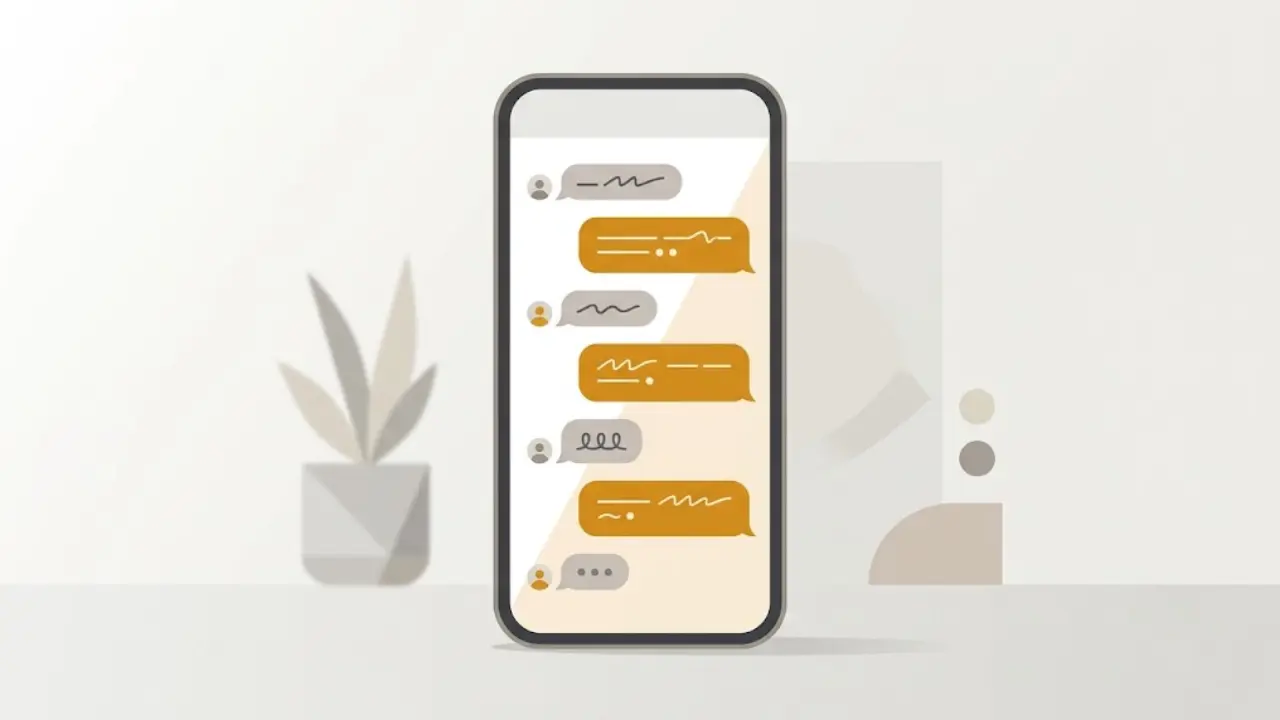
So you want to know how to make fake text story videos, the kind where a conversation plays out message by message with a voice reading it aloud and captions on screen. It is one of the most watched faceless formats on TikTok and YouTube Shorts, and it is also one of the friendliest places to start if you have never posted a video before. You do not show your face, you do not need footage of yourself, and a single good story can run for weeks across multiple channels.
The reason this format keeps working is simple. A text thread creates suspense with almost no setup. Someone sends a message, you want to know the reply, and that tiny gap is enough to keep a thumb from scrolling. Add a clear voice and readable captions, and you have a video that holds attention from the first bubble to the last.
Executive Summary. Fake text story videos are short faceless clips that dramatize a text or chat conversation with a voiceover and on-screen captions. They win because the message-by-message format builds curiosity fast and needs no real footage. To make one that performs, you write a hook in the first line, keep the exchange tight and emotional, read it with a natural voice, sync clean captions, and post consistently. Inside Faceless Lab you can turn a story idea into a finished, publish-ready video with script, voiceover from a large library of natural voices, visuals, music and captions, then schedule it to your platforms, so the whole thing takes minutes instead of an afternoon in an editor.
Table of Contents
- What a fake text story video actually is
- Why the format still works in 2026
- The anatomy of a fake text story that holds attention
- How to make one inside Faceless Lab, step by step
- Writing hooks and scripts that survive the first three seconds
- Where this format is and is not the right choice
- Posting, batching and growing a channel around it
1. What a fake text story video actually is
A fake text story video is a short vertical clip that shows a conversation unfolding, usually styled like a phone messaging app, while a voiceover reads each line and captions reinforce the words on screen. The "fake" part just means the conversation is written for the video rather than pulled from a real private chat. The story can be dramatic, funny, scary, wholesome, or a slow-burn reveal.
The core ingredients are always the same:
- A short conversation with a clear beginning, tension in the middle, and a payoff at the end.
- A voice that reads the exchange with the right pace and tone.
- Captions that match the audio so the video works with the sound off.
- Light visual motion (message bubbles appearing, a background, subtle music) so the screen never feels static.
You are basically telling a very short story through two or three characters texting. That constraint is a gift, because it forces you to cut everything that does not move the plot.
2. Why the format still works in 2026
Plenty of formats come and go. Text stories have stayed because they solve the hardest problem in short-form, which is earning the first few seconds.
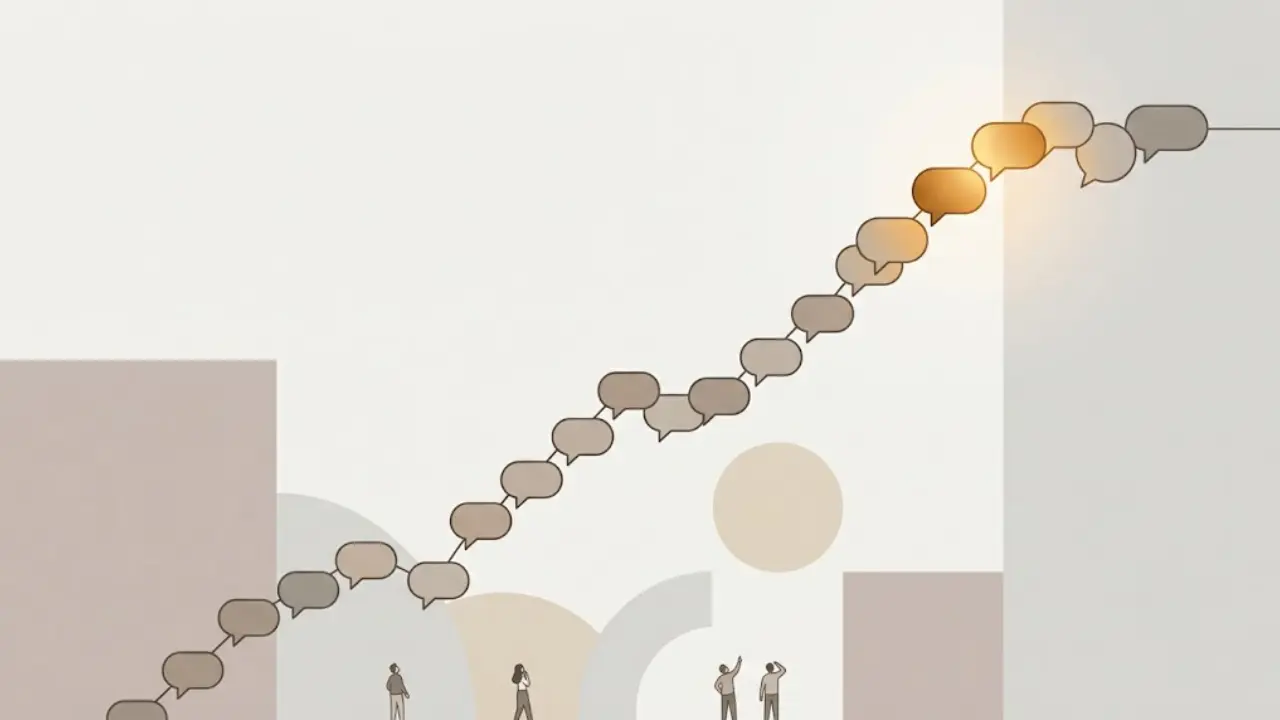
Curiosity is built into the structure. Every unanswered message is an open loop. The viewer keeps watching to close it. You do not have to manufacture drama with editing tricks, the conversation does the work.
It is genuinely faceless. No camera, no lighting, no on-camera confidence required. That lowers the barrier for anyone starting out and makes the format easy to run across several channels at once.
It reads with the sound off. Because the words are on screen as captions, the video still lands for the large share of viewers who scroll on mute, then the voiceover rewards anyone who turns the sound on.
It batches beautifully. Once you have a script formula that works, you can write ten stories in a sitting and produce them in one run. Consistency is what grows a faceless channel, and this format makes consistency realistic.
💡 If you want the wider picture of which faceless formats are still worth your time this year, we broke it down here: 9 Faceless Video Niches That Still Work.
3. The anatomy of a fake text story that holds attention
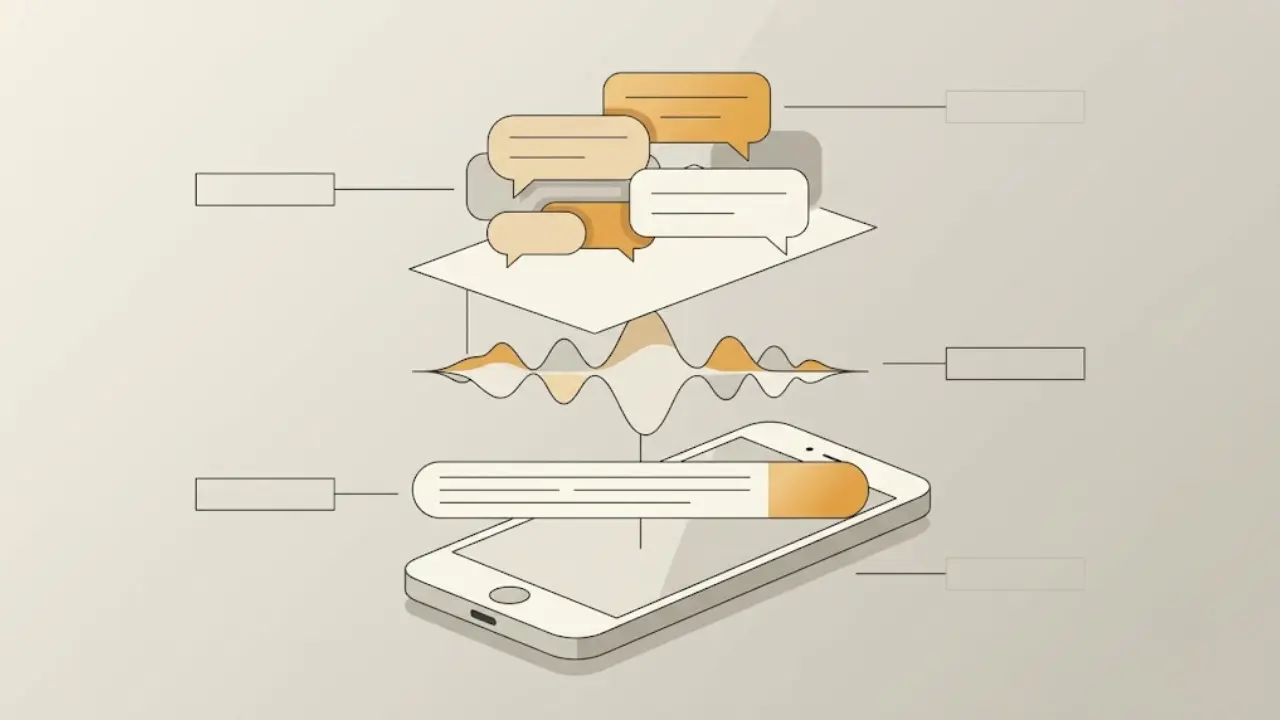
Most weak text story videos fail for the same reasons. They open slowly, the conversation rambles, or the captions and voice fall out of sync. A strong one usually has these parts.
The hook line
The first message has to promise a payoff. "I think my neighbor has been lying to me for a year" makes someone stay. "Hey what's up" does not. Put the intrigue in the very first bubble.
The escalation
Each reply should raise the stakes or reveal something new. Keep messages short, the way people actually text. Two or three words is fine. White space and rhythm matter more than long sentences.
The turn
Somewhere around two thirds of the way in, something changes. A confession, a twist, a misunderstanding that flips the meaning of everything before it. This is the moment people screenshot and share.
The payoff or cliffhanger
End on a resolution that satisfies, or a cliffhanger that makes people comment and check for a part two. Both work. What kills a video is trailing off with no landing.
The delivery layer
Voice: pick a tone that matches the story. A tense thriller wants a calmer, lower read; a chaotic funny story wants energy. Captions: large, high contrast, one or two lines at a time. Pacing: let each message breathe for a beat, but never let the screen sit still long enough for a thumb to move.
4. How to make one inside Faceless Lab, step by step
This is the part people ask about most, so here is the exact flow we use. The whole thing runs from one screen, no jumping between a script tool, a voice tool, a caption tool and an editor.
Step 1. Start from your idea or script. Open the dashboard and give Faceless Lab your story concept, or paste a script you already wrote. If you only have a rough idea, it will draft the conversation for you using one of its built-in story structures, so you are not staring at a blank page.
Step 2. Choose a structure that fits a text story. Faceless Lab ships with 8 script structures. For this format you want something built on tension and a reveal, so the conversation escalates and then turns instead of wandering.
Step 3. Pick the voice. There are 200+ natural voices from ElevenLabs in the library. Audition a few and match the voice to the mood of the story. A single well-chosen voice usually reads the whole exchange, which keeps it clean and consistent.
Step 4. Set the visual style. With 39 visual styles and multiple image models available through Replicate, you can give the video a look that suits the tone, from clean and modern to moody and cinematic, while the message bubbles carry the story.
Step 5. Add captions and music. Captions are generated and synced to the voiceover automatically, and you can drop in background music that matches the pace. This is the step that usually eats the most time by hand, and here it is part of the same run.
Step 6. Generate, review, and publish. Faceless Lab assembles the script, voiceover, visuals, music and captions into a finished vertical video. Review it, then schedule it to your platforms. Auto-publishing and scheduling to YouTube, Instagram, Facebook and LinkedIn are built in. TikTok is the one exception to fully hands-off posting, it requires your explicit consent before publishing, so you approve those manually.
💡 Ready to try it on your own story idea? Start free and make your first one. No credit card to begin.
A note on Autopilot and Series
If you plan to run this format regularly, Series lets you set up a recurring stream of videos around a theme, and Autopilot (currently in beta) can carry more of the load from idea to scheduled post. Start manual for your first few so you learn what your audience responds to, then lean on automation once you have a formula.
5. Writing hooks and scripts that survive the first three seconds
The production is the easy part now. The writing is where videos are won or lost.
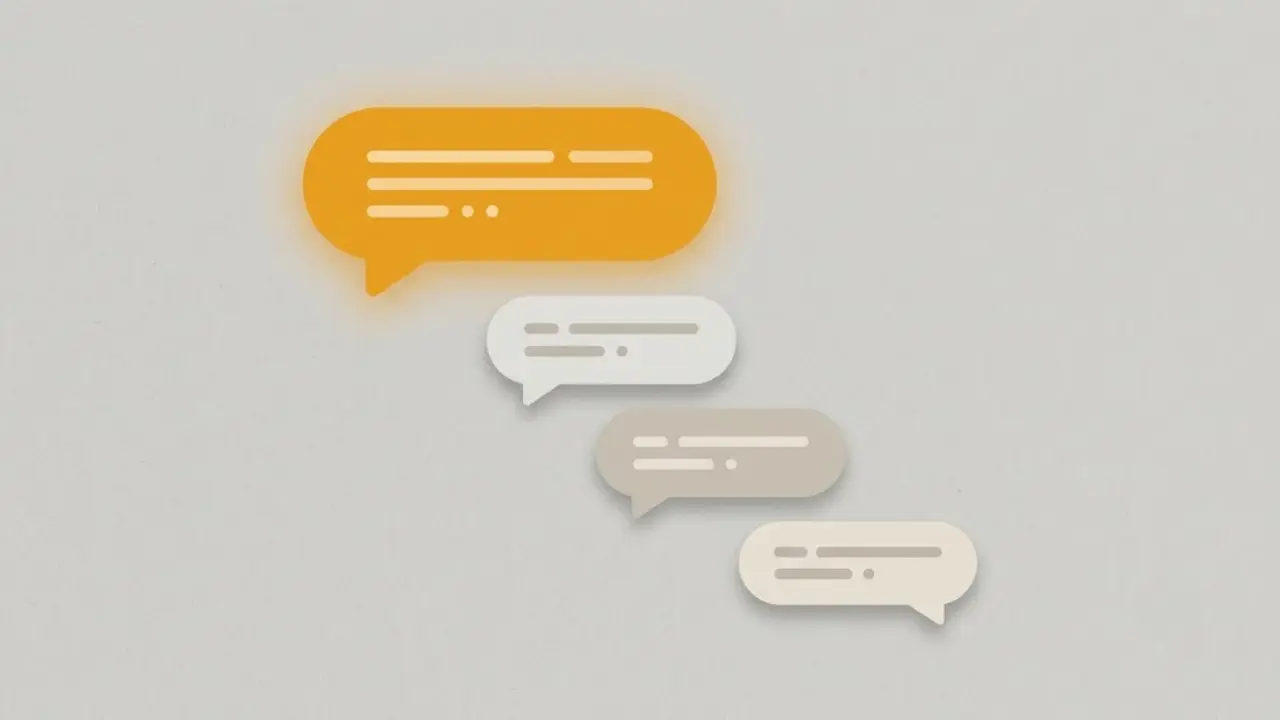
Lead with the most interesting line, not the setup. Skip "so this happened yesterday." Open on the moment of tension. You can always fill in context in message two.
Write the way people text, not the way people write essays. Short bursts. Typos and lowercase are fine and often feel more real. Long paragraphs break the illusion.
Give the two voices distinct personalities. One anxious, one calm. One oversharing, one cold. Contrast makes a two-person exchange feel alive.
Plant the twist early enough to matter. If the turn comes in the last second, people have already left. Aim for that shift around the two-thirds mark, then pay it off.
Test your opener out loud. If the first message does not make you personally want to know what happens next, rewrite it before you generate anything.
6. Where this format is and is not the right choice
I would rather be honest than oversell, so here is the straight version.
Fake text stories are a great fit when you are starting a faceless channel and want a low-effort, high-retention format, when you want to batch a lot of content quickly, or when your niche suits short dramatic or funny narratives (relationships, mystery, workplace, family, horror).
They are a weaker fit when your goal is authority or education in a serious niche, where a talking script over clean visuals lands better than a staged chat. They also wear out if every single video looks identical, so vary the stories, styles and voices. And a fair warning on the format itself: audiences are smart, so lean into clearly fictional, entertaining stories rather than passing invented drama off as real events, which erodes trust fast.
Faceless Lab handles this format well because script, voice, captions and publishing live in one place, but no tool writes a great story for you on autopilot. Your idea and your hook still do the heavy lifting. The app removes the production grind so you can spend your time on the part that actually moves views.
7. Posting, batching and growing a channel around it
One video will not build a channel. A rhythm will. The creators who win with this format treat it like a production line.
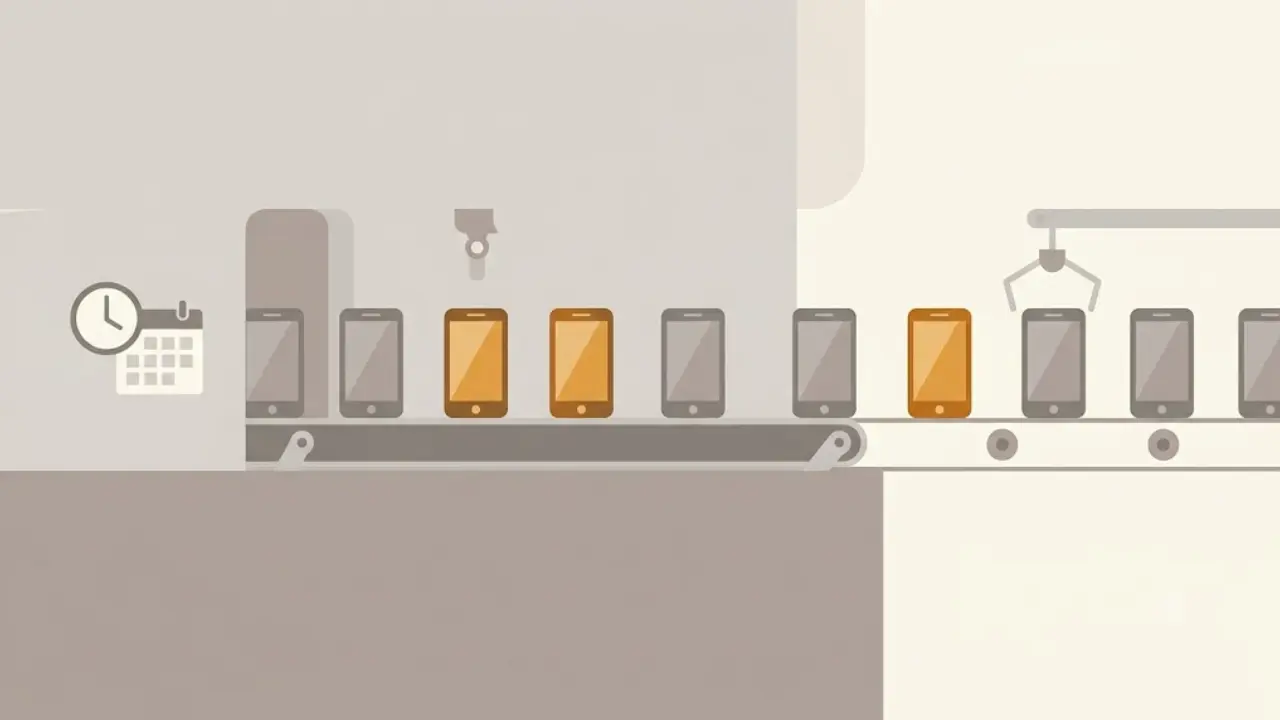
Batch your scripts first. Write eight to ten story ideas in one sitting while you are in the zone. Ideas are the bottleneck, so stock up on them.
Produce in a single run. Generate the batch together, review them, and queue them. An afternoon of work can cover a week or two of posting.
Post on a schedule and let it run. Consistency signals to the platform that you are worth recommending. Scheduling the whole batch means you keep posting even on the days you are busy.
Read the numbers, then adjust. Watch which hooks hold retention past three seconds and which stories get shared. Make more of what works, and retire the formats that do not.
💡 We covered the full batching workflow separately if you want to go deeper: How Do You Batch a Month of Faceless Videos in One Afternoon.
Conclusion
Fake text story videos are one of the best on-ramps into faceless content because the format does so much of the work for you. A sharp hook, a tight conversation, a natural voice and clean captions are enough to hold attention, and none of it requires a camera or editing skills. The winning move is consistency: write in batches, produce in one run, and post on a rhythm you can keep.
If you want to skip the app-hopping and make one end to end, start with the free trial and try it on a story idea you already have in your head. If a video does well, repost it to your other channels and let it work twice, and if you enjoy the tool, our affiliate program is an easy way to earn while you share it.
Try it on your own idea here: https://facelesslab.video/
Read more
Frequently asked questions
What is a fake text story video?
It is a short vertical video that dramatizes a text or chat conversation, styled like a messaging app, with a voiceover reading the lines and captions on screen. The "fake" simply means the conversation is written for the video rather than taken from a real private chat. The format is popular on TikTok and YouTube Shorts because the message-by-message structure builds curiosity quickly and needs no real footage. Stories can be dramatic, funny, scary or wholesome, and a good one keeps viewers watching to see how the exchange ends.
How do I make fake text story videos without editing skills?
You do not need any editing experience. With Faceless Lab you give it a story idea or paste a script, pick a voice and a visual style, and it generates the script, voiceover, visuals, music and synced captions into a finished vertical video. Everything happens on one screen, so there is no jumping between a script tool, a voice tool and an editor. Once the video looks right, you can schedule it straight to your platforms. Most of the work is choosing a good story and a strong opening line.
Are fake text story videos allowed to make money?
Yes. Faceless content, including text story videos, can be monetized through platform programs, sponsorships, affiliate links and your own products, as long as you follow each platform's rules and use content you have the rights to. Faceless Lab videos are yours to use commercially. The safest approach is to keep stories clearly fictional and entertaining rather than presenting invented events as real, which protects both your credibility and your standing with the platforms over the long run.
What makes a fake text story video go viral?
Retention in the first three seconds is the biggest factor. Your opening message has to promise a payoff strong enough that a viewer stays to see the reply. After that, keep messages short, escalate the tension, and land a twist or a satisfying resolution around two thirds of the way in. Clean captions that work with the sound off, a voice that matches the mood, and steady pacing all help. Then post consistently, because volume and rhythm give more of your videos a chance to catch.
How long should a fake text story video be?
Most perform best in the 20 to 60 second range, which is enough to set up tension, deliver a turn and pay it off without losing the viewer. Shorter clips around 20 to 30 seconds can hit hard if the story is punchy. Longer ones risk sagging in the middle unless the conversation keeps escalating. Faceless Lab specializes in short-form lengths that fit TikTok, YouTube Shorts, Instagram, Facebook and LinkedIn, and you can adjust the script so the pacing matches the length you are targeting.
Can I automatically publish fake text story videos to my accounts?
Yes, mostly. Faceless Lab includes auto-publishing and scheduling to YouTube, Instagram, Facebook and LinkedIn, so you can batch a set of videos and let them post on a schedule. TikTok is the one exception to fully hands-off publishing, it requires your explicit consent before a video goes live, so you approve those posts manually. For creators who want an even more hands-off setup, the Series feature and the beta Autopilot can carry more of the workflow from idea to scheduled post.
Related articles
Faceless Shorts Can Have Thumbnails Now. Make Yours Earn the Click
YouTube just gave Partner Program creators custom thumbnails on Shorts. Here is how faceless creators, with no face to feature, build a frame that earns the click and lifts views.
Make Faceless Quiz Videos That Get People Answering in the Comments
Quiz and trivia shorts are some of the easiest faceless videos to grow with. Here is how the format works, the structures that hold attention, and how to make one in minutes.
Make Faceless Horror Story Videos That People Watch Until the End
Horror is one of the highest-retention faceless niches, and you do not need a camera or a scary voice of your own. Here is how to build a scary-story channel that posts on its own.