Getting Your First 1,000 Subscribers on a Faceless YouTube Channel
The first 1,000 subscribers are the hardest. Here is a realistic, repeatable path for a faceless channel: what earns subs, the posting rhythm, and how to keep it up.
Roberto Pasqualini
CMO at Faceless Lab
A realistic, repeatable path from zero to your first thousand subscribers on a faceless channel, covering what actually earns subs, the posting rhythm that works, and how to keep it going without burning out.
So how do you get your first 1,000 subscribers on a faceless YouTube channel without filming yourself, hiring an editor, or posting for six months into total silence? That first thousand is the number that unlocks monetization, and it is the number where most faceless channels quietly die. We started three faceless channels ourselves, watched the early graphs flatline more than once, and learned that the problem is almost never talent. It is consistency, format, and knowing which signals to chase. This is the exact path we would follow if we were starting a new faceless channel from scratch today.
Executive Summary: Your first 1,000 subscribers on a faceless YouTube channel come from a narrow niche, one repeatable format, and a posting rhythm you can actually sustain for eight to twelve weeks. Views do not equal subscribers. People subscribe when a video makes them a promise about what your channel will keep giving them, so every video needs a clear hook, a payoff, and a reason to come back. The creators who reach 1,000 fastest are almost always the ones who publish daily and let the algorithm learn what their channel is about. The grind that stops people is production time, not ideas, which is where a tool that turns a topic into a finished, scheduled video changes the math. Expect eight to sixteen weeks of steady posting to reach the threshold, faster in a hungry niche, slower in a crowded one.
Table of Contents
- Why the first 1,000 subscribers are the hardest part
- What actually turns viewers into subscribers
- Pick one niche and one format you can repeat
- The posting rhythm that gets you to 1,000
- How to build that rhythm inside Faceless Lab
- Where a faceless channel wins and where it does not
- The four numbers that predict your growth
1. Why the first 1,000 subscribers are the hardest part
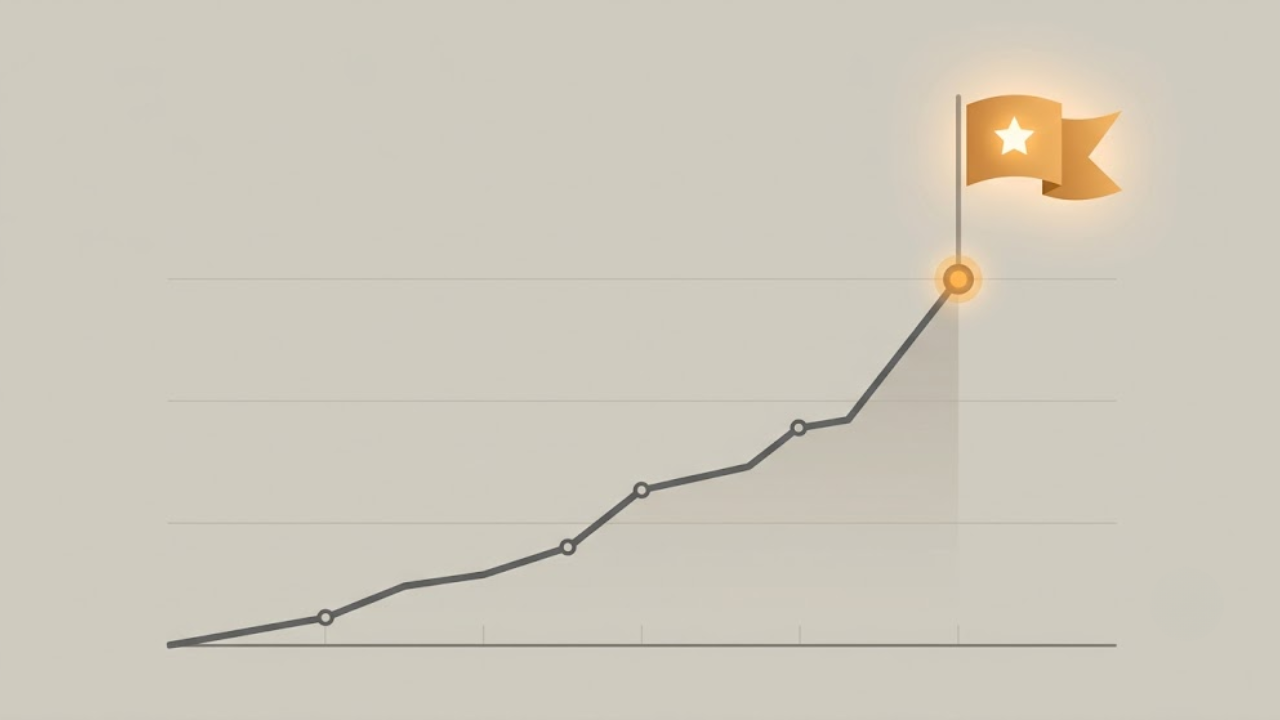
The jump from 0 to 1,000 is the steepest part of the whole curve, and it is steep for a reason. Early on you have no social proof, no back catalog for the algorithm to lean on, and no watch history telling YouTube who to show your videos to. Every video is doing double duty: entertaining a viewer and teaching the algorithm what your channel is.
The math is friendlier than it feels. To hit YouTube Partner Program eligibility you need 1,000 subscribers plus either 4,000 public watch hours in the last 12 months or 10 million valid public Shorts views in the last 90 days. Shorts are the realistic path for most faceless creators because a single video that lands can pull tens of thousands of views on its own.
Why most people quit before 1,000:
- They post inconsistently. Three videos in week one, nothing in week three. The algorithm never gets a stable read on the channel.
- They change the channel every week. New niche, new style, new voice. Subscribers cannot tell what they signed up for.
- They burn out on production. Editing one short by hand can eat three or four hours. Do that daily and you quit by day ten.
2. What actually turns viewers into subscribers
A view is attention. A subscriber is a promise. Someone subscribes when they believe your next video will be as good as the one they just watched, so the whole game is making that belief obvious and easy.

The hook decides everything. The first two to three seconds either earn the watch or lose it. On a faceless video that means a spoken line and an on-screen line that name the payoff immediately. "Here is the fastest way to..." beats "Today we are going to talk about..." every time.
Retention is the real ranking signal. YouTube pushes videos that hold attention. A tight 25 to 40 second Short with no dead air will usually outrank a loose 60 second one. Cut the intro, cut the goodbye, land the point.
Give a reason to come back. Channels that grow fast usually run a recognizable format: same style of hook, same visual look, a recurring series people can follow. When every video looks and feels like it belongs to the same show, subscribing becomes the natural move.
- Consistency of look: one visual style, one caption style, one voice.
- Consistency of promise: the viewer knows what the next video will give them.
- A soft ask: a simple end-card line like "follow for one of these a day" converts better than nothing at all.
3. Pick one niche and one format you can repeat
The single biggest early mistake is going broad. A channel about "motivation, finance, history and tech" confuses the algorithm and the viewer. A channel about one thing, posted daily, compounds.

Pick a niche you can feed forever. Ask two questions: can I generate 100 video ideas in this niche without running dry, and is there an audience actively searching for it? Faceless niches that still work in 2026 include short explainers, story and Reddit-style narration, "did you know" facts, motivation, personal finance basics, and micro-tutorials.
Pick one format and lock it. Format is the repeatable container: a 30 second fact with bold captions, a 45 second story with a twist, a top-five countdown. Faceless Lab ships 8 video structures and 39 visual styles, so you can pick a structure once and reuse it, which is exactly what you want in the first 1,000. Sameness is a feature here, not a flaw.
Match the voice to the niche. A calm narration voice suits story channels; a punchy, energetic one suits facts and countdowns. With 200+ ElevenLabs voices available you can audition a few and then commit to one, so your channel starts to sound like a channel and not a random playlist.
4. The posting rhythm that gets you to 1,000
If we had to name one lever that separates channels that reach 1,000 from channels that stall, it is posting frequency held steady over time.
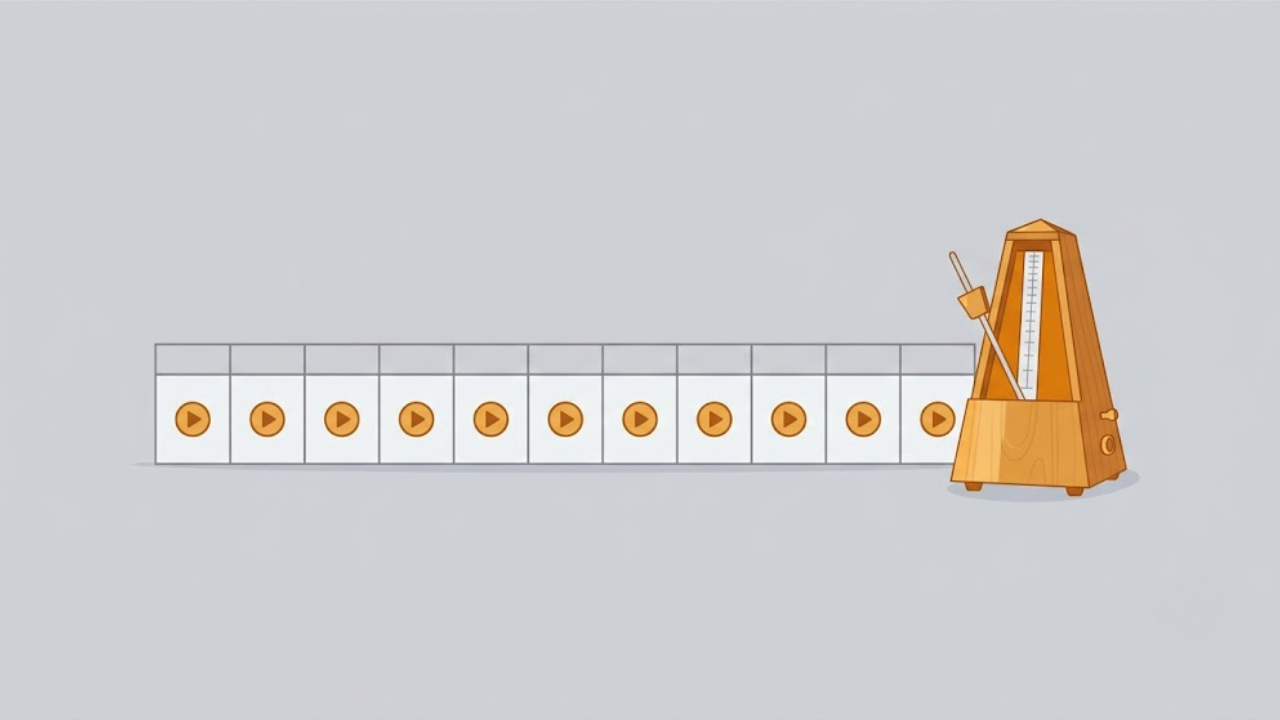
Daily beats sporadic. One video a day for eight weeks gives the algorithm 56 chances to find your audience and gives viewers 56 reasons to subscribe. One video a week gives you eight. The daily channel is not eight times better, it is often the difference between growth and silence.
Batch so a bad week cannot stop you. The reason daily posting fails is life. You get busy, you skip a day, the streak breaks, motivation drops. The fix is to batch: make a week or a month of videos in one sitting, then let them publish on a schedule. Your future self stays consistent even during a busy week.
A realistic 90-day plan:
- Weeks 1 to 2: publish daily, test three or four hooks and two formats, watch which ones hold retention.
- Weeks 3 to 6: double down on the format that is working, keep posting daily, expect your first videos to break out.
- Weeks 7 to 12: ride the momentum, keep the rhythm, most channels that stay consistent cross 1,000 somewhere in this window.
Timeline, honestly. In a hungry niche with a format that lands, some channels reach 1,000 in six to eight weeks. In a crowded niche it can take three to four months. The variable you control is whether you keep posting.
5. How to build that rhythm inside Faceless Lab
This is where we stop talking strategy and show the actual workflow. The whole reason we built Faceless Lab was to make daily posting survivable, because that is what the first 1,000 subscribers really demand.
Step 1: Turn a topic into a full video. Type an idea or paste a script. Faceless Lab writes the script, generates the voiceover, pulls the visuals, adds background music and burns in captions. You go from a topic to a publish-ready short in minutes instead of hours.
Step 2: Lock your format once. Pick one of the 8 structures and one of the 39 styles, choose a voice from the 200+ ElevenLabs options, and set your caption look. Now every video in the series shares the same DNA, which is exactly the consistency subscribers reward.
Step 3: Batch a week in one sitting. Instead of making one video and stopping, line up seven topics and generate them back to back. A single focused session can produce a full week of content.
Step 4: Turn one idea into a Series. Use Series to spin one concept into an ongoing run of videos, so you are not staring at a blank page every morning. This is the antidote to the "what do I post today" stall that kills most channels.
Step 5: Schedule and auto-publish. Set your videos to publish on a rhythm and let them go out automatically to YouTube and your other platforms. Autopilot (currently in beta) can carry more of the load. One honest note: fully automatic auto-publishing excludes TikTok, which needs your explicit consent per upload, so plan to confirm those manually.
Step 6: Read the data and adjust. Watch which hooks and formats hold retention, then feed more of what works back into your next batch.
💡 Ready to try the workflow above? Start free and generate your first faceless video. The Free trial is €0, and paid plans start at Starter €19, Growth €59 and Pro €149 when you want more volume.
6. Where a faceless channel wins and where it does not
We would rather you succeed than sign up disappointed, so here is the honest version.
Where a faceless channel wins:
- Speed and volume. You can publish daily without a camera, a set, or an editor, which is the single biggest advantage in the race to 1,000.
- Low cost to start. You can begin on a free plan and reinvest once videos are landing, instead of buying gear up front.
- Repeatability. A locked format plus scheduling means the channel keeps moving even on your worst week.
Where it does not:
- It is not instant. Nobody hits 1,000 in a weekend. The tool removes the production grind, it does not remove the need for consistency and a bit of patience.
- Generic content still flops. If your hooks are weak and your niche is a copy of everyone else's, faster publishing just means flopping faster. Point of view still matters.
- Some niches need a human face. Personal brand, reaction, and certain lifestyle content lean on a face and a personality. Faceless is a strong fit for explainers, stories, facts and tutorials, less so for "get to know me" channels.
Faceless Lab is the right choice when you want to publish consistently in a repeatable format and the thing standing between you and 1,000 subscribers is production time. It is the wrong choice if you expect subscribers without a point of view or without showing up regularly.
7. The four numbers that predict your growth
Stop watching subscriber count all day. These four numbers tell you far earlier whether you are on track.

1. Average view duration and retention. The percentage of the video people watch. If your 30 second short holds above roughly 60 percent, YouTube will keep pushing it. If retention collapses in the first three seconds, fix the hook before anything else.
2. Swipe-through or view rate. How many people who see the thumbnail or first frame actually stop to watch. On Shorts this is your hook doing its job. Low view rate means the opening is not earning the watch.
3. Views per subscriber signal. Track how many views it takes to earn a subscriber. As your format sharpens, this ratio improves, which is a cleaner sign of progress than raw view spikes.
4. Publishing consistency. The most boring number and the most predictive. Count how many days in the last 30 you actually posted. If it is under 20, frequency is your bottleneck, not your content.
Watch these weekly, adjust your next batch, and let the format compound. That is the whole loop.
Conclusion
Here is the short verdict. The first 1,000 subscribers on a faceless YouTube channel come down to three things you fully control: one niche, one repeatable format, and a posting rhythm you can hold for two to three months. The content does not need to be perfect. It needs to be consistent, hooked well, and shipped daily. Almost everyone who quits does so because production got too heavy, not because they ran out of ideas.
That is the exact problem we built Faceless Lab to solve, so you can spend your energy on topics and hooks while the tool handles script, voice, visuals, captions and scheduling. Start on the Free trial, generate your first few videos this week, and see how it feels to have a week of content ready in one sitting.
If a video in this guide helped, the best thing you can do is repost it or share it with a friend who keeps saying they want to start a channel. And if you end up loving the tool, our affiliate program lets you earn by recommending it. Either way, the move that matters is the one you make today: pick a niche, lock a format, and publish. Try it free and start your channel here: https://facelesslab.video/
Read more
Frequently asked questions
How long does it take to get 1,000 subscribers on a faceless YouTube channel?
It varies with niche and consistency, but a realistic range is eight to sixteen weeks of steady daily posting. In a hungry niche with a format that lands early, some channels cross 1,000 in six to eight weeks. In a crowded niche it often takes three to four months. The single biggest variable is whether you keep publishing. Channels that post daily give the algorithm far more chances to find their audience than channels that post once or twice a week, which is why frequency, not talent, usually decides the timeline.
Do I need 1,000 subscribers to make money on YouTube?
To join the YouTube Partner Program you need 1,000 subscribers plus either 4,000 public watch hours in the last 12 months or 10 million valid public Shorts views in the last 90 days. For most faceless creators the Shorts path is the realistic one because a single video that breaks out can pull tens of thousands of views. You can also earn outside AdSense before then through affiliate links, digital products, or sponsorships, but the 1,000-subscriber threshold is the gate for YouTube's own ad revenue.
Can a faceless channel actually grow without showing my face?
Yes. Faceless formats like explainers, story narration, fact videos, motivation and tutorials perform well precisely because the value is in the content, not the personality. What matters is a strong hook, tight retention, and a recognizable format viewers can follow. Where faceless struggles is content that leans on a personal brand or reaction. If your niche is about information, storytelling or entertainment rather than "get to know me," not showing your face is no barrier to reaching 1,000 subscribers and well beyond.
How many videos should I post to reach 1,000 subscribers?
Aim for one video a day. Over an eight to twelve week push that is roughly 56 to 84 videos, which gives the algorithm plenty of chances to find winners and gives viewers plenty of reasons to subscribe. The exact count matters less than the steadiness. Batching a week or a month of videos in one sitting and scheduling them to publish automatically is the most reliable way to hold a daily rhythm through busy weeks, which is the thing that actually gets most channels across the line.
What kind of videos get the most subscribers on a faceless channel?
Videos with a clear promise in the first three seconds and a payoff that delivers on it. Formats that convert well include short explainers, Reddit-style and story narration, "did you know" facts, top-five countdowns, and micro-tutorials. The common thread is a strong hook, no dead air, and a recognizable style that repeats video to video. Consistency of look and voice makes subscribing feel natural, because viewers can tell exactly what your next video will give them.
Is it against YouTube rules to use AI to make faceless videos?
No, using AI tools to produce videos is allowed. What YouTube penalizes is mass-produced, repetitive, low-effort content with no original value, and it requires disclosure when realistic content is synthetically generated. The practical rule is to add a point of view: a specific niche, a real hook, and content that is genuinely useful or entertaining rather than spun filler. Faceless AI channels that focus on quality and a clear format remain fully monetizable under current policies.
Related articles
Post Your Faceless Videos When Your Audience Is Actually Watching
The best times to post faceless videos on YouTube Shorts, TikTok and Instagram Reels, why the first hour decides your reach, and how to automate it so you never watch the clock.
Make Faceless ASMR Videos Without Recording a Single Sound
Sleep and relaxation content is one of the few niches that stays calm and keeps paying. Here is how to build a faceless ASMR channel with AI voice, visuals and music, no camera and no mic needed.
Start a Faceless Psychology Channel That Turns Everyday Behavior Into Daily Shorts
Psychology is one of the most watchable faceless niches going. Here is how to pick a sub-angle, script hooks that hold attention, and post human-behavior shorts every day without showing your face.